Crime & Safety
Firefighters Respond to Minor Chemical Explosion at Tufts
A pressurized plastic bottle exploded at a Tufts University lab, leading to a rapid response from Somerville firefighters, who at the time knew only there were reports of a chemical explosion.


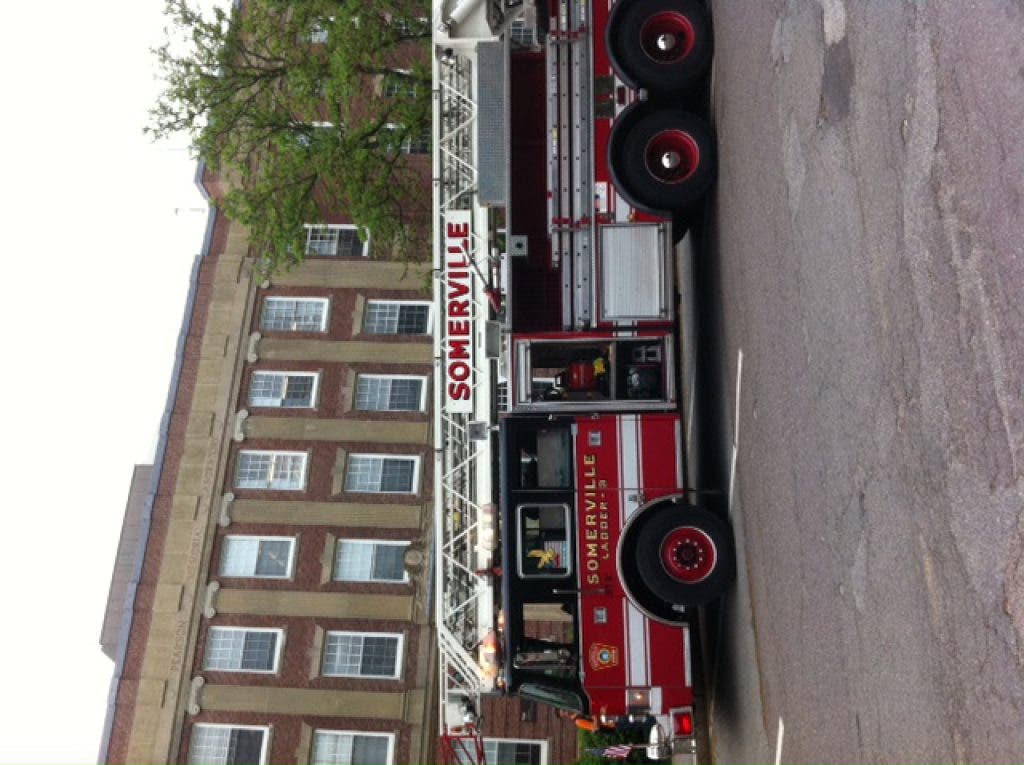
The Somerville Fire Department responded Tuesday evening to a "a minor explosion and a small spill" at a chemical lab, according to District Chief Jim King.
The minor explosion caused some mild acid to be spilled, King said, and no one was injured in the incident.
The small explosion happened at 62 Talbot Ave. in Somerville at a building called the Pearson Memorial Laboratory on the Tufts University campus.
Find out what's happening in Somervillewith free, real-time updates from Patch.
Initial reports of a chemical explosion at the laboratory prompted a rapid and heavy response from fire personnel at about 6:15 p.m., according to scanner transmissions.
Somerville Patch was on the scene at about 6:30 p.m., shortly after firefighters arrived, and at the time students and workers in the laboratory had been evacuated from the building but were not sure what had happened.
Find out what's happening in Somervillewith free, real-time updates from Patch.
According to King, it was pressureized plastic bottle that exploded, and the district chief described the workers in the laboratory as "young PhDs." Although the explosion was minor, they called the fire department out of caution.
By about 6:50 p.m. fire personnel cleared the area and workers were able to go back into the building.
Get more local news delivered straight to your inbox. Sign up for free Patch newsletters and alerts.
